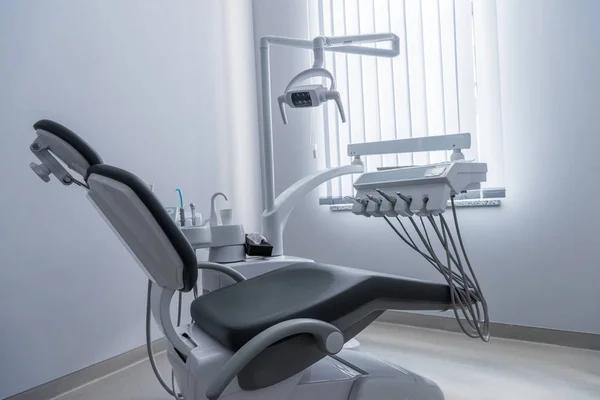
Personalized dentistry is rapidly transforming the landscape of oral health, offering a bespoke approach to dental care that promises improved outcomes and enhanced patient experiences. This innovative field leverages advancements in technology and an increased understanding of individual variability to tailor treatments specifically to each patient’s unique needs.
At its core, personalized dentistry recognizes that no two patients are alike. Traditional approaches often rely on standardized treatments, which may not be optimal for everyone. However, by taking into account genetic factors, lifestyle choices, and personal preferences, personalized dentistry aims to provide more effective and efficient care. This shift towards individualized treatment plans is revolutionizing how dental professionals diagnose, prevent, and treat various oral health conditions.
One significant aspect of personalized dentistry is the use of genetic information. By analyzing a patient’s genetic makeup, dentists can predict susceptibility to certain dental diseases such as caries or periodontal disease. This predictive capability enables early intervention strategies tailored specifically for those at higher risk. For instance, if a patient has a genetic predisposition to gum disease, more frequent cleanings and targeted therapies can be implemented proactively rather than reactively.
Moreover, advanced imaging technologies play a crucial role in this transformation. Digital scans and 3D imaging allow for dig into it precise mapping of an individual’s oral cavity structure. These detailed images enable dentists to create custom-fitted restorations like crowns or aligners with unparalleled accuracy compared to traditional methods. Such precision not only improves the fit and comfort but also enhances the overall effectiveness of the treatment.
The integration of artificial intelligence (AI) further augments personalized dentistry by providing data-driven insights that assist in decision-making processes. AI algorithms can analyze vast amounts of data from various sources including electronic health records and wearable devices to identify patterns or trends relevant to each patient’s oral health status. Consequently, dentists can offer recommendations based on comprehensive evidence rather than relying solely on subjective judgment.