
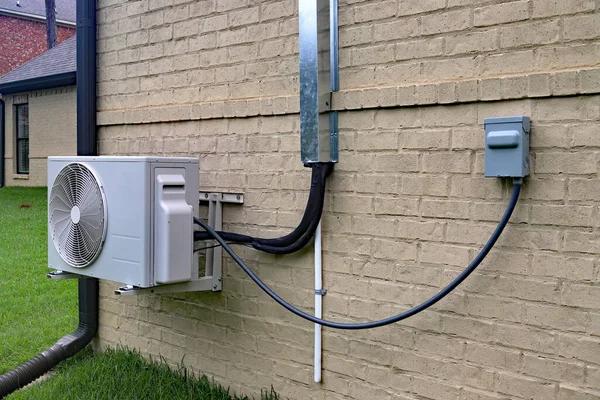
Mini split technology has become a popular solution for maintaining comfortable indoor environments while maximizing energy efficiency. Unlike traditional HVAC systems, mini splits consist of two main components: an outdoor compressor and one or more indoor air-handling units. This design eliminates the need for ductwork, which often leads to significant energy losses in conventional systems. By delivering conditioned air directly into individual rooms or zones, mini splits provide precise temperature control and reduce unnecessary energy consumption.
One of the key advantages of mini split technology is its ability to offer both heating and cooling through a single system. This versatility makes it suitable for year-round use in various climates. The heat pump mechanism inside these units extracts heat from the outside air during colder months and expels it during warmer periods, allowing efficient temperature regulation regardless of external weather conditions. Additionally, because each indoor unit can be controlled independently, occupants can customize settings based on personal comfort preferences without affecting other areas.
Energy efficiency is a primary benefit that sets mini splits apart from traditional HVAC options. Without ducts to lose cooled or heated air through leaks or poor insulation, mini splits operate with higher overall efficiency levels. Many models also feature inverter-driven compressors that adjust their speed according to demand rather than cycling on and off repeatedly like standard compressors. This variable-speed operation reduces electricity consumption by maintaining consistent temperatures more smoothly over time.
Installation flexibility further enhances the appeal of Mini Split systems for residential and commercial spaces alike. Since they require only small holes for refrigerant lines instead of large duct installations, these units are ideal for older buildings lacking existing ductwork or areas where retrofitting would be costly or impractical. Indoor units come in various styles such as wall-mounted, ceiling cassette, floor-standing, or concealed types that blend seamlessly with interior designs.
Maintenance demands are generally lower compared to conventional central systems because there are fewer mechanical parts exposed to wear and tear within ducts or vents. Regular cleaning of filters and periodic professional inspections usually suffice to keep performance optimal over many years.
In summary, efficient mini split technology offers an effective way to achieve comfortable indoor living environments with reduced energy costs and enhanced control over heating and cooling needs. Its combination of advanced features like zone-specific operation, inverter-driven compressors, ease of installation without ductwork requirements, and low maintenance make it an attractive choice for modern homes seeking sustainable climate solutions tailored precisely to occupant preferences while minimizing environmental impact.
