
Maintaining your HVAC system is essential to ensure it operates efficiently, reduces energy costs, and extends its lifespan. As an expert HVAC contractor, I recommend several key maintenance practices that homeowners can follow throughout the year. First and foremost, regular filter replacement is crucial. Dirty filters restrict airflow, forcing your system to work harder and potentially leading to breakdowns. Depending on the type of filter you use and environmental factors such as pets or dust levels, changing filters every one to three months is advisable.
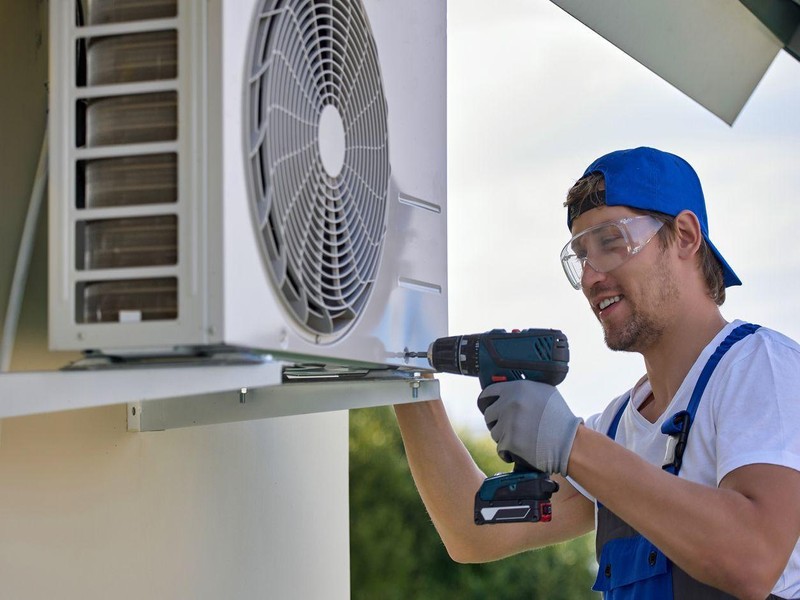
Another important aspect involves keeping the outdoor unit clean and free of debris. Leaves, dirt, grass clippings, and other obstructions can block airflow around the condenser coil, impacting cooling efficiency during warmer months. Gently removing debris with a soft brush or garden hose ensures proper ventilation without damaging delicate fins or components.
Checking thermostat settings helps maintain comfort while optimizing energy usage. Programmable thermostats allow users to set different temperatures for various times of day or days of the week, reducing unnecessary heating contractor or cooling when no one is home. Ensuring batteries are fresh in wireless models also prevents unexpected temperature fluctuations caused by power loss.
Inspecting ductwork periodically can prevent air leaks that reduce overall system performance. Leaky ducts cause conditioned air to escape before reaching living spaces, increasing utility bills and causing uneven temperatures throughout a home. Sealing gaps with mastic sealant or metal tape improves airflow efficiency significantly.
It’s also beneficial to schedule professional inspections at least once a year-preferably before peak heating or cooling seasons begin-to identify potential issues early on. Technicians perform comprehensive evaluations including refrigerant level checks, electrical component assessments, lubrication of moving parts where necessary, and testing safety controls for proper operation.
Paying attention to unusual noises or odors emanating from your HVAC system should never be ignored either; these signs often indicate underlying problems requiring prompt attention from qualified professionals rather than DIY fixes.
Lastly, maintaining clear space around indoor units ensures unobstructed airflow within rooms served by the system’s vents or registers. Avoid placing furniture too close as this restricts circulation affecting overall comfort levels indoors.
By following these maintenance tips consistently along with professional service visits when needed you can keep your HVAC system running smoothly year-round while minimizing costly repairs down the road-a practical approach every homeowner should adopt for long-term savings and reliable climate control in their homes.
