Blog

  • The Role of AI in Enhancing Employee Productivity

    The Role of AI in Enhancing Employee Productivity

    Artificial intelligence (AI) has become a transformative force in the modern workplace, significantly enhancing employee productivity across various industries. By automating routine tasks, providing intelligent insights, and facilitating better decision-making processes, AI enables employees to focus on higher-value activities that drive innovation and growth. The integration of AI tools into daily workflows not only streamlines operations but also empowers workers to achieve more in less time.

    One of the primary ways AI boosts productivity is through automation. Tasks such as data entry, scheduling, and basic customer inquiries can be handled efficiently by AI-powered systems like chatbots and robotic process automation (RPA). This reduces the burden of repetitive work on employees, allowing them to concentrate on complex problem-solving and creative endeavors. For example, administrative staff no longer need to spend hours managing calendars or processing invoices manually; instead, they can rely on AI-driven software that performs these functions accurately and swiftly.

    Moreover, AI enhances decision-making by analyzing vast amounts of data quickly and identifying patterns that may not be immediately apparent to humans. Advanced analytics platforms powered by machine learning algorithms provide employees with actionable insights tailored to their specific roles. Sales teams can use predictive analytics to identify potential leads more effectively, while marketing professionals gain deeper understanding of consumer behavior through sentiment analysis. This data-driven approach helps employees make informed decisions that improve performance outcomes.

    Collaboration within teams is also improved with the help of AI technologies. Tools equipped with natural language processing (NLP) capabilities facilitate seamless communication by transcribing meetings in real-time or summarizing lengthy documents into key points. Virtual assistants integrated into collaboration platforms manage task assignments and deadlines automatically, ensuring projects stay on track without constant manual oversight. These enhancements reduce misunderstandings and increase overall efficiency among team members.

    Employee training and development benefit from personalized learning experiences enabled by AI as well. Adaptive learning systems assess individual skill levels and customize educational content accordingly. This targeted approach accelerates knowledge acquisition while addressing specific gaps in expertise more effectively than traditional one-size-fits-all training programs.

    However, it is important to recognize challenges associated with integrating AI into workplaces such as concerns over job displacement or privacy issues related to data usage. Organizations must implement ethical guidelines and provide transparency about how AI tools are used so employees feel supported rather than threatened.

    In conclusion, Artificial Intelligence plays a crucial role in enhancing employee productivity by automating mundane tasks, offering insightful analytics for better decision-making, improving collaboration mechanisms, and personalizing professional development opportunities. When thoughtfully deployed alongside human talent, AI becomes an indispensable partner driving efficiency and innovation within organizations worldwide.


  • Residential Flood Cleanup and Property Restoration Services

    Residential Flood Cleanup and Property Restoration Services

    Residential flood cleanup and property restoration services play a crucial role in helping homeowners recover from water damage caused by flooding. Flooding can result from natural disasters such as heavy rain, hurricanes, or broken pipes within the home. When water infiltrates living spaces, it not only damages personal belongings but also compromises structural elements like walls, floors, and electrical systems. Prompt and professional intervention is essential to minimize damage and restore the property to its pre-flood condition.

    The first step in residential flood cleanup involves assessing the extent of water intrusion and identifying potential hazards. This evaluation helps determine whether the water is clean or contaminated, which influences the safety measures needed during cleanup. Professionals use specialized equipment such as moisture meters and infrared cameras to detect hidden pockets of moisture that may not be visible to the naked eye. Early identification of these areas prevents mold growth and further deterioration.

    Water extraction follows assessment; it is critical to remove standing water quickly using industrial-grade pumps and vacuums designed for rapid removal. The faster this process occurs, the lower the risk of permanent damage to flooring materials like hardwood or carpet padding beneath rugs. After removing excess water, drying techniques are implemented using high-powered air movers and dehumidifiers that reduce humidity levels inside affected rooms efficiently.

    Once drying is complete, cleaning protocols begin to sanitize surfaces exposed to floodwaters. Disinfectants eliminate harmful bacteria or viruses brought in by contaminated waters while deodorizing agents remove unpleasant odors often associated with stagnant water exposure. In cases where items cannot be salvaged due to severe contamination or irreparable damage, restoration specialists guide homeowners on disposal methods aligned with environmental regulations.

    Restoration includes repairing structural components damaged during flooding events. This phase might involve replacing drywall sections weakened by prolonged moisture exposure or refinishing hardwood floors affected by swelling or warping. Electrical systems compromised by contact with floodwater require inspection by licensed electricians before being deemed safe for use again.

    Effective communication between service providers and homeowners throughout each stage ensures transparency regarding timelines and costs involved in cleanup efforts. Insurance claim assistance is another valuable aspect offered by many companies specializing in residential flood recovery services; they help document damages accurately for submission purposes.

  • Expert Techniques for Interior Wall Perfection

    Expert Techniques for Interior Wall Perfection

    Achieving flawless interior walls requires a combination of careful preparation, precise application, and attention to detail. The foundation of perfect walls begins with thorough surface preparation. Any cracks, holes, or imperfections must be addressed before painting or finishing. Start by cleaning the wall to remove dust, grease, and debris using a mild detergent solution or specialized cleaner depending on the type of stain present. After cleaning, inspect for any damages such as nail holes or dents; these should be filled with an appropriate filler compound and sanded smooth once dry. This step ensures the surface is even and ready for subsequent treatments.

    Priming is another critical step in obtaining an impeccable finish. Applying a quality primer helps seal porous surfaces and enhances paint adhesion while preventing uneven color absorption that can cause blotchy results. Choose primers compatible with your paint type-latex-based primers work well for drywall while oil-based options are better suited for wood or previously painted surfaces that require extra sealing.

    When selecting paint, opt for high-quality products designed specifically for interior use to guarantee durability and ease of application. Consider factors such as sheen level-matte finishes hide imperfections but may be harder to clean; satin or eggshell finishes provide a subtle shine while offering greater washability; semi-gloss paints are excellent in areas prone to moisture like kitchens and bathrooms due to their resistance to mildew.

    Application technique plays a significant role in achieving smooth walls without streaks or roller marks. Use brushes around edges and corners where rollers cannot reach effectively, applying paint in long strokes following natural light direction when possible. Rollers should have the correct nap length based on wall texture: shorter naps suit smoother surfaces whereas longer naps cover textured walls more evenly.

    Multiple thin coats yield better results than one thick coat by reducing drips and ensuring uniform coverage across the entire surface area. Allow adequate drying time between coats according to manufacturer recommendations before proceeding with additional layers.

    For added refinement after painting dries completely, inspect under different lighting conditions including natural daylight and artificial illumination from various angles to detect subtle flaws requiring touch-ups.

    Finally, maintaining perfect walls involves regular cleaning using gentle methods tailored to paint type along with prompt repair of any new damage caused over time through impacts or humidity changes.

    By adhering closely to these expert techniques-from meticulous preparation through careful selection of materials and thoughtful application-you can achieve interior wall perfection that enhances both aesthetics and longevity within your living spaces.

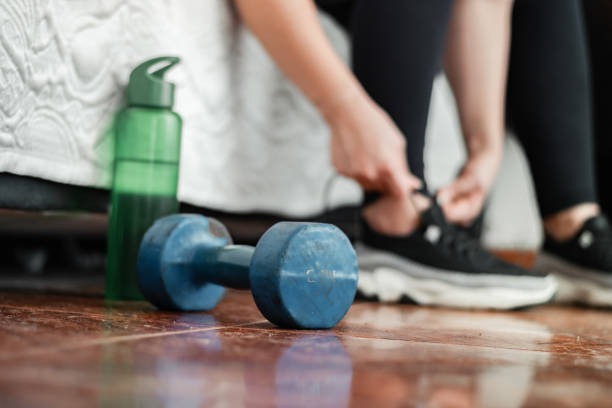
  • Beginner-Friendly Routines for Health and Strength

    Beginner-Friendly Routines for Health and Strength

    Starting a health and strength routine as a beginner can feel overwhelming, but adopting simple, consistent habits lays the foundation for long-term success. The key is to focus on exercises and activities that build both endurance and muscle gradually while promoting overall well-being. A balanced approach includes cardiovascular movement, strength training, flexibility work, and adequate rest.

    For cardiovascular health, walking is an excellent starting point because it requires no special equipment and suits nearly all fitness levels. Begin with brisk walks lasting 20 to 30 minutes three times per week. This activity improves heart function, increases stamina, and helps regulate weight without placing undue stress on joints. As endurance builds over time, walking pace or duration can be increased incrementally.

    Incorporating basic strength exercises twice a week complements cardiovascular efforts by enhancing muscle tone and bone density. Bodyweight movements such as squats, lunges, push-ups (modified if needed), and planks are effective for beginners. These exercises engage multiple muscle groups simultaneously while improving balance and coordination. Starting with one set of eight to twelve repetitions per exercise allows the body to adapt safely before progressing to additional sets or more challenging variations.

    Flexibility is often overlooked but plays an important role in injury prevention and mobility improvement. Gentle stretching routines after workouts or on rest days help maintain joint range of motion and reduce muscle tightness caused by daily activities or exercise itself. Simple stretches targeting major muscle groups like hamstrings, calves, shoulders, chest, and back should be held for about 15-30 seconds each without bouncing.

    Rest days are essential components of any beginner plan since they allow muscles time to recover from exertion while preventing burnout or injury risk due to overtraining. Scheduling at least one full day off between workout sessions gives the body necessary downtime for repair processes that contribute to strength gains.

    Nutrition also supports these physical efforts; consuming balanced meals rich in lean proteins, whole grains, fruits, vegetables alongside adequate hydration fuels performance during workouts and aids recovery afterward.

    By integrating moderate cardio activity like walking with fundamental resistance exercises complemented by stretching routines-and allowing sufficient rest-beginners create a sustainable path toward improved health and strength without unnecessary complexity or strain. Consistency remains crucial: small steps taken regularly produce meaningful progress over weeks rather than seeking quick fixes through intense regimens unsuited for newcomers’ bodies or schedules.

    This gradual approach fosters positive habits that encourage lifelong engagement in fitness practices tailored specifically around individual capabilities while minimizing frustration associated with unrealistic expectations early in the journey toward better health outcomes overall.