
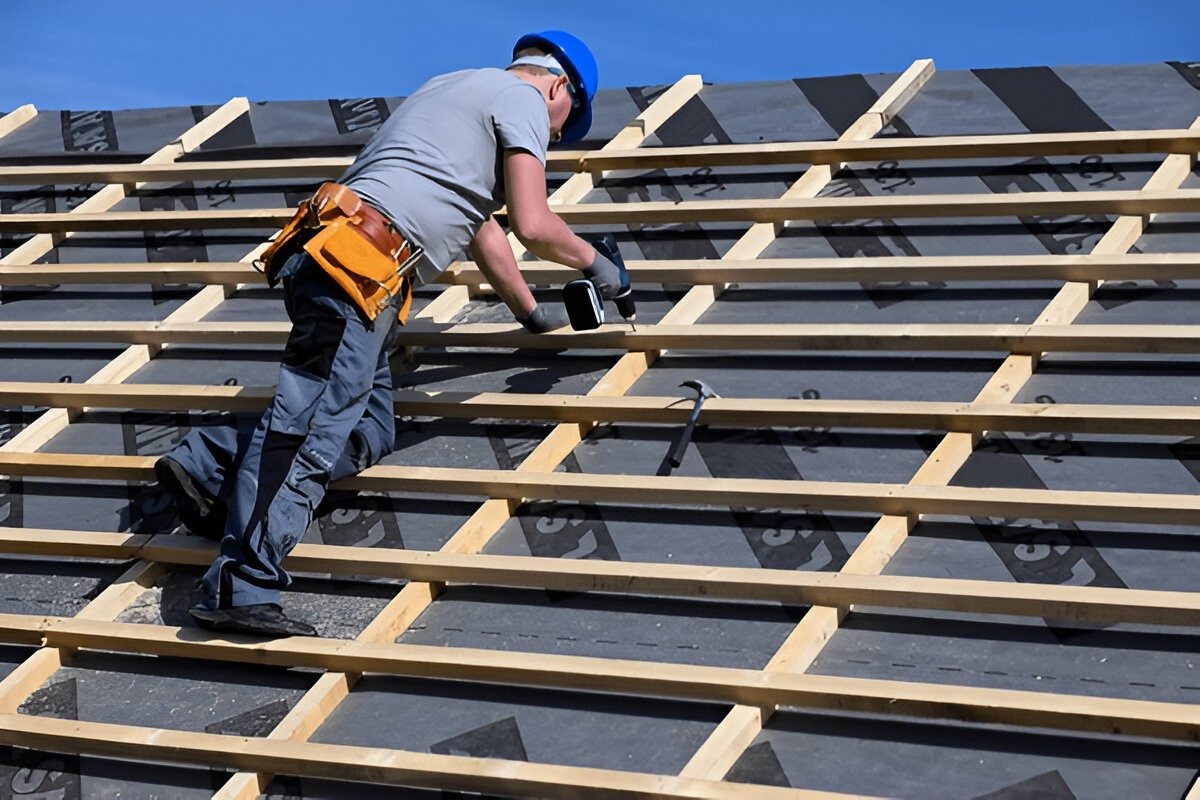
When planning roofing work in Hanover, it is crucial to prepare thoroughly to ensure a smooth and successful project. Proper preparation helps avoid unexpected issues, controls costs, and guarantees that the final result meets expectations. Before any roofing work begins, homeowners should first assess the condition of their existing roof. This involves checking for visible damage such as missing shingles, leaks, sagging areas, or signs of wear and tear caused by weather exposure. Understanding the current state provides insight into whether repairs or a full replacement is necessary.
Next, researching local regulations and building codes in Hanover is essential. These rules often dictate specific materials allowed, insulation requirements, and safety standards that contractors must follow. Compliance with these guidelines prevents legal complications and ensures learn the facts roof’s durability under local climate conditions. It is also advisable to verify if any permits are required before starting the project; obtaining proper authorization can save time and avoid fines.
Choosing the right roofing material based on both aesthetic preferences and functional needs plays a significant role in long-term satisfaction. Options range from asphalt shingles to metal roofs or clay tiles, each offering different benefits regarding cost, lifespan, energy efficiency, and maintenance demands. Consulting with experienced local contractors can help identify which materials perform best given Hanover’s weather patterns.
Selecting a reputable roofing contractor involves more than just comparing prices; it requires evaluating experience levels, licenses held within New Hampshire regulations (applicable due to proximity), insurance coverage including liability and worker’s compensation policies for protection against accidents during installation or repair work. Requesting references from previous clients allows homeowners to gauge reliability and quality of workmanship before making a commitment.
Preparing the property itself before construction starts minimizes disruptions during the process. Clearing gutters of debris prevents blockages when new materials are installed while trimming overhanging branches reduces risks associated with falling limbs damaging newly laid sections of roof covering.
Finally, discussing timelines clearly with your contractor establishes realistic expectations about how long each phase will take from removal of old material through cleanup after completion steps finish up smoothly without unnecessary delays or surprises at deadline points.
