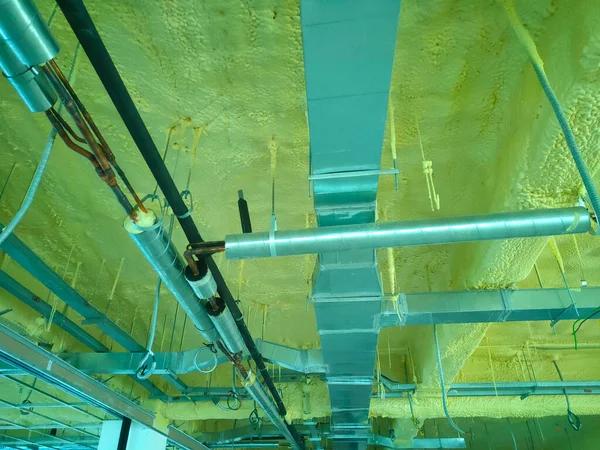
Hiring attic spray foam insulation services for your home can bring numerous advantages that enhance comfort, energy efficiency, and overall home value. One of the primary benefits is the significant improvement in energy efficiency. Spray foam insulation creates an airtight seal that prevents air leakage, reducing the amount of energy needed to heat or cool your home. This results in lower utility bills as your HVAC system doesn’t have to work as hard to maintain a consistent indoor temperature.
Another advantage of attic spray foam insulation is its ability to improve indoor air quality. Traditional forms of insulation can leave gaps where dust, pollen, and other allergens can enter your living space. Spray foam fills these gaps completely, creating a barrier against outdoor pollutants and helping maintain a healthier environment inside your home. This is particularly beneficial for individuals with allergies or respiratory issues.
In addition click to explore improving air quality and energy efficiency, spray foam insulation also enhances structural integrity. It expands upon application, filling every nook and cranny in the attic space and providing additional support to the structure of your roof and walls. This added strength can help protect against damage from high winds or heavy snow loads.
Furthermore, hiring professional services ensures that the job is done correctly and safely. Installing spray foam insulation requires specific skills and equipment; professionals are trained to apply it effectively while adhering to safety standards. They understand how much material is required for optimal performance without wasting resources or causing potential hazards like off-gassing due to improper installation.
Spray foam’s moisture-resistant properties offer another layer of protection by preventing mold growth within the attic space—a common issue with traditional insulations like fiberglass or cellulose which can absorb water over time leading potentially costly repairs down line if not addressed early enough through preventative measures such as this one!
