
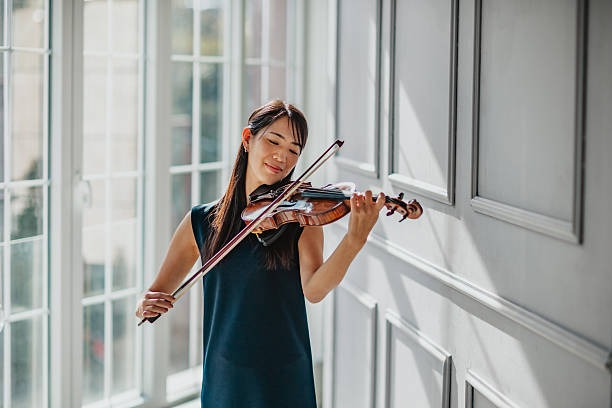
The violin bow is an essential component of the instrument, playing a crucial role in sound production and overall performance. The materials used to make violin bows significantly influence their weight, flexibility, durability, and the quality of sound produced. Traditionally, high-quality violin bows are crafted from pernambuco wood, but modern advancements have introduced alternative materials such as carbon fiber and other synthetic composites.
Pernambuco wood, derived from the Brazilian tree Paubrasilia echinata, has been the gold standard for violin bows for centuries. This dense hardwood offers an excellent balance between strength and elasticity. Its natural resilience allows for precise control over bowing techniques while providing a warm tone that complements the violin’s timbre. Pernambuco bows tend to be heavier than those made from other woods or synthetic materials; this weight contributes to a powerful sound projection and nuanced articulation. However, pernambuco is rare and expensive due to overharvesting concerns, prompting luthiers to seek alternatives.
One common substitute is brazilwood (also known as snakewood), which shares some characteristics with pernambuco but is generally less dense and lighter. Brazilwood bows are more affordable but may lack some of the tonal richness associated with pernambuco.
In recent decades, carbon fiber has emerged as a popular material for violin bows made of its durability and consistency. Carbon fiber bows are lightweight yet strong; they resist warping caused by humidity or temperature changes better than wooden counterparts. This stability makes them ideal for outdoor performances or traveling musicians who need reliable equipment under varying conditions. While early carbon fiber models were criticized for producing a somewhat sterile or harsh tone compared to traditional wooden bows, technological improvements have narrowed this gap considerably.
Other synthetic materials like fiberglass also appear in lower-cost beginner-level bows due to their affordability and robustness. These materials offer good longevity but often sacrifice subtlety in tonal expression.
The choice of bow material affects not only sound quality but also playability. Heavier wooden bows may require more effort during extended playing sessions but reward players with richer dynamics and expressive capabilities. Lighter carbon fiber or synthetic options reduce fatigue without compromising too much on tone quality.
Ultimately, selecting a suitable bow depends on individual preferences regarding feel, responsiveness, budget constraints, and intended use scenarios-whether practice sessions at home or professional concert performances. Understanding how different materials impact performance helps musicians make informed decisions that enhance both comfort and artistic expression on the violin stage.
